



Access to the village
Different ways to reach a unique place.
AS-348
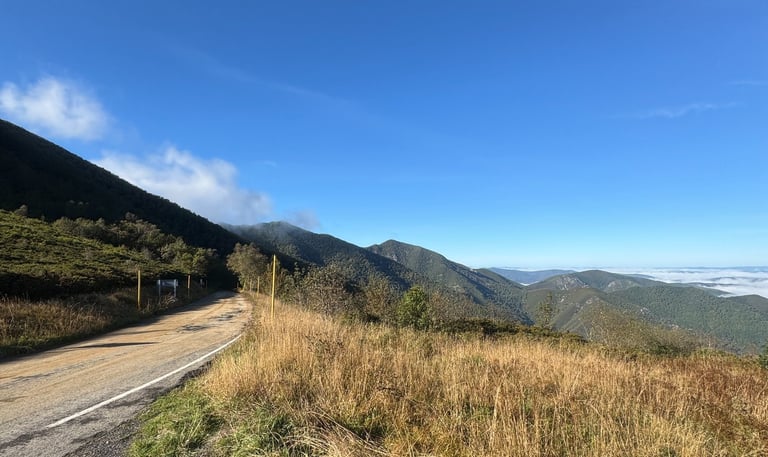
One way to access the village of Centenales is via the AS-348 road (either starting from Cecos or Ventanueva), a mountain road that crosses the famous Puerto del Connio at 1,315 meters above sea level. This route offers a picturesque journey surrounded by natural landscapes and passes by the largest oak forest in Spain: the Muniellos Integral Nature Reserve.
Cecos-Centenales Road
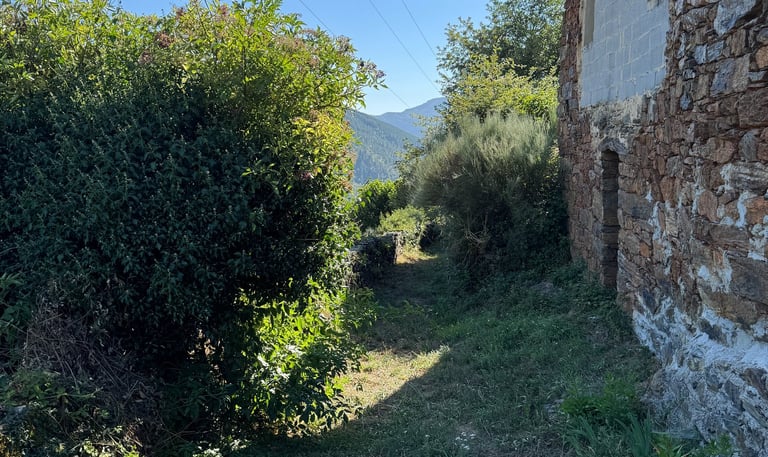
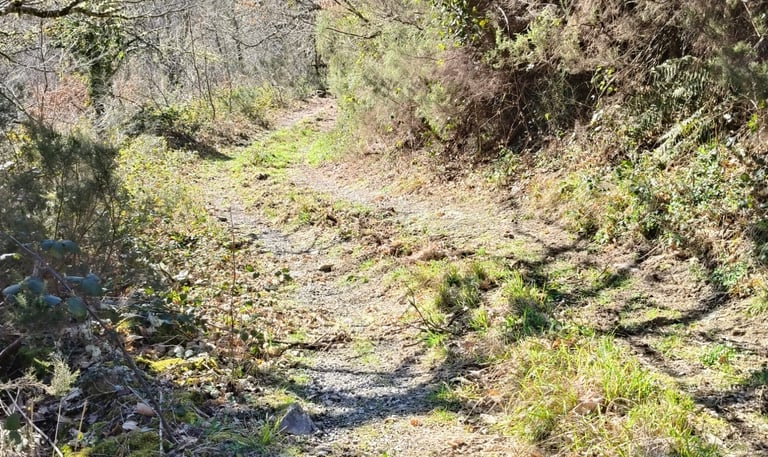
The path connecting Centenales with Cecos (not suitable for vehicles) is narrow and currently unused, making it unsuitable for regular traffic. Its deteriorated condition and lack of maintenance make the route difficult and unsafe. Before the construction of the AS-348 road, this path made Centenales a mandatory stop before reaching the municipality of Cangas del Narcea. This is why the tile bearing the name "Centenales" is placed on the first house encountered when arriving in the village via this path.
Secondary road from the AS-348
There is also a path from the AS-348 that leads to some beehives and ends in the village, although it is in a condition similar to the previous one. It is a narrow, little-used route with significant deterioration, making passage difficult and unsuitable for comfortable access, especially for vehicles not equipped for this type of terrain.
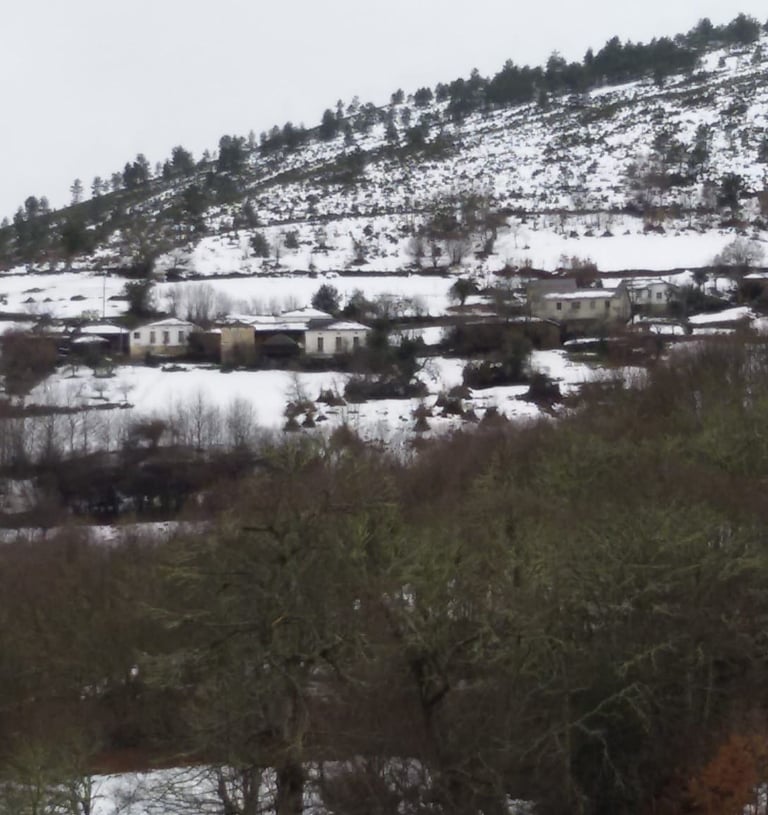
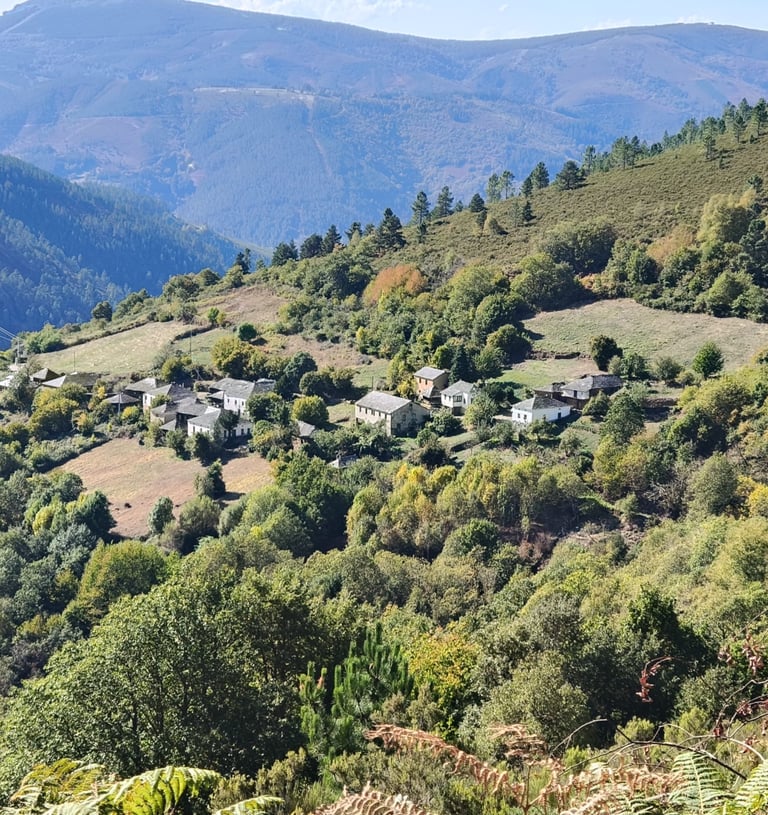
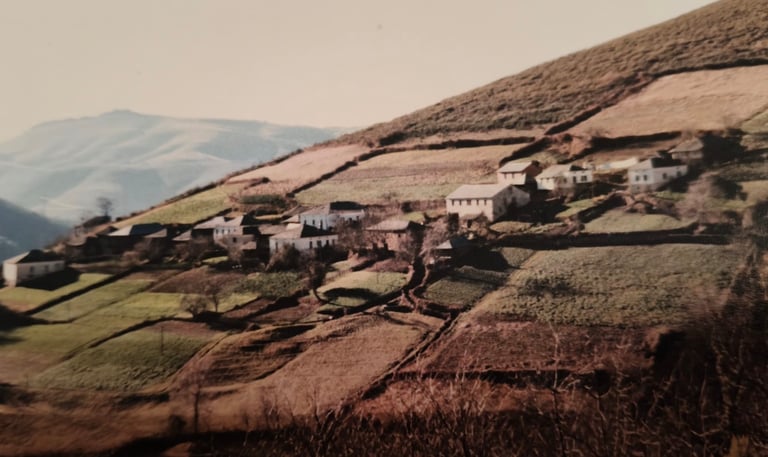
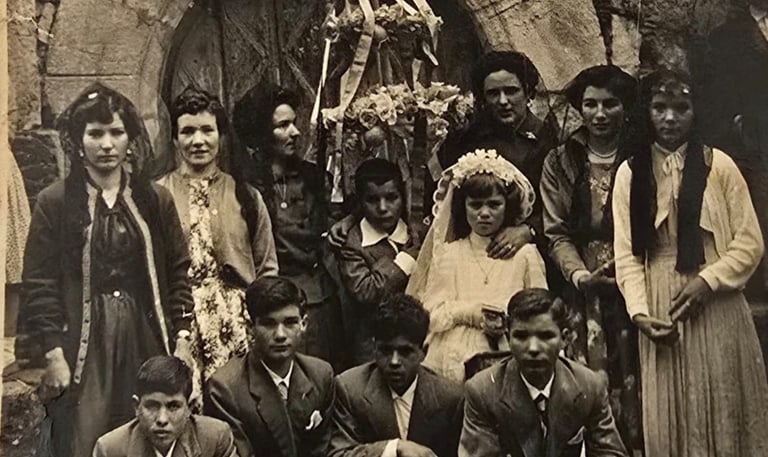
Centenales in 1958
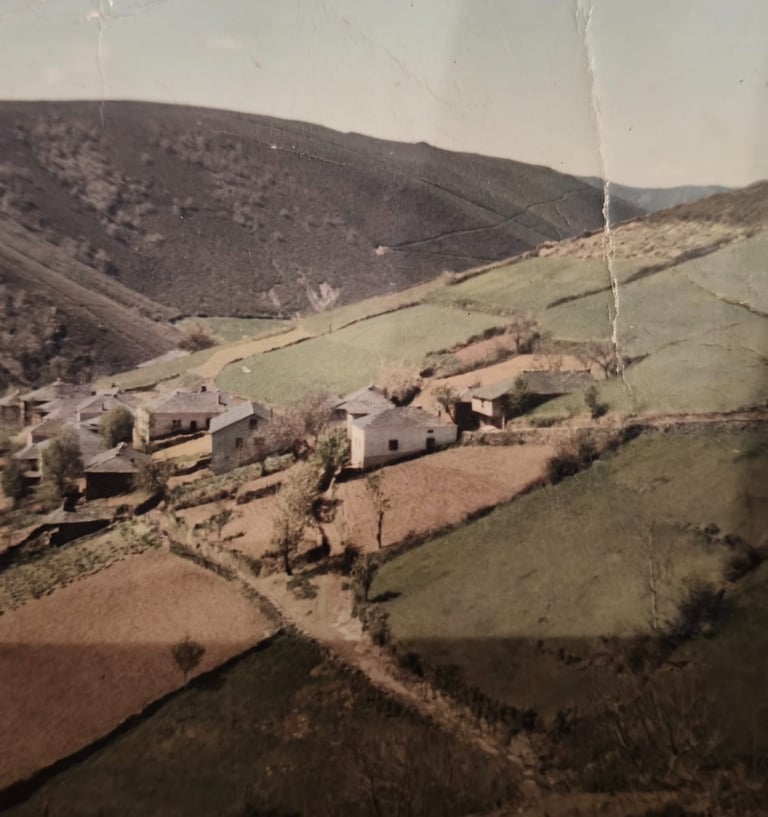
A brief glimpse into a time when the internet didn’t yet exist…
Situation and Economy
Centenales was located at a high altitude, near the road descending from Connio, in an area with a harsh climate where snowfalls were frequent and abundant. This situation clearly shaped its economy, which was based almost exclusively on subsistence farming. Vineyards were not cultivated, and the main crops were rye, maize, and potatoes, along with the use of lowland forests. The production was primarily intended for personal consumption, reflecting a humble way of life closely connected to the natural environment.
Electricity and Services
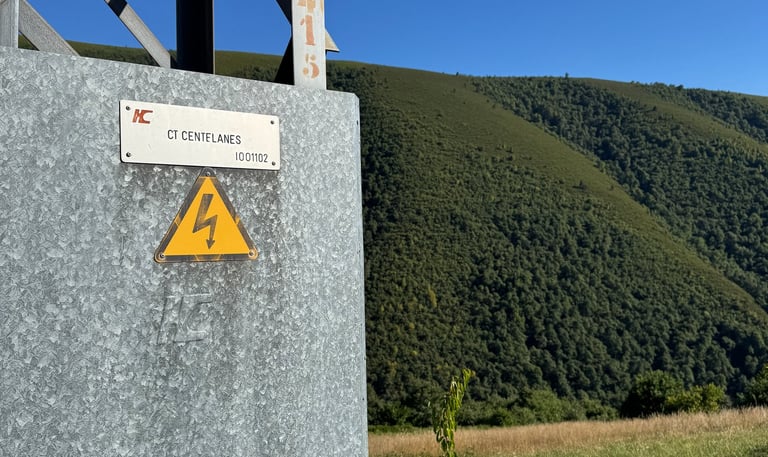
The village had electricity thanks to a small plant located on the Toural River, with a capacity of 2.5 horsepower and owned communally. Its operation was irregular, as the river’s flow decreased significantly during the summer, and the installation could barely function. In addition, the lack of a storage or regulation tank meant that the electricity supply could only be maintained for two to three hours per day.
Population and School
In 1958, Centenales had 66 inhabitants, including up to around 20 school-age children. Although a school had been officially approved for years, it had never operated due to the lack of a suitable building. Despite this, the village had visiting teachers sent to the municipality, who were responsible for teaching the children, providing an essential educational service despite the material limitations.
Water Sources and Supply
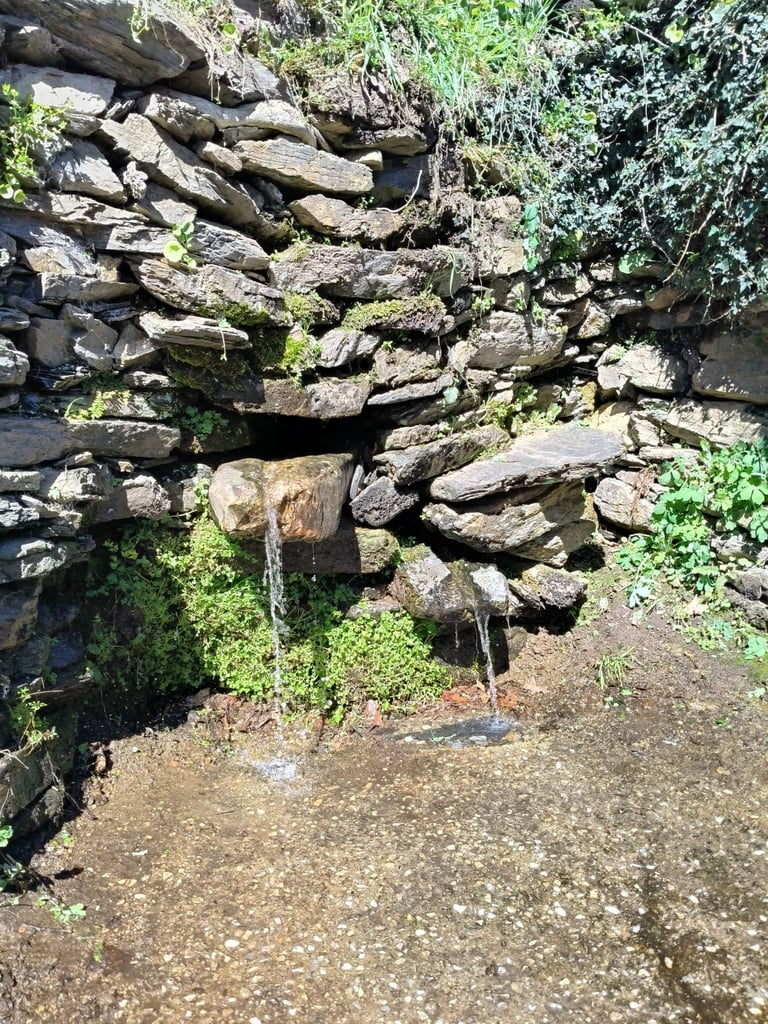
In Centenales, there were three main water sources. The Pico del Lugar spring, located in the centre of the village, was very limited and lacked a washing area or trough. The Miguelín or Minguchu spring, with an iron spout and situated in the lowest part of the village, had only a small strip of land, although it offered the possibility of building a covered washing area through an agreement with the neighbouring landowner. Finally, the Fondo del Lugar spring, located to the south on the road towards Cecos, dried up in summer and was not elevated enough to carry water to the village. As an alternative, the waters from the La Valía Carbayar streams, situated about 500 metres away, were used by some villagers for irrigation and could have allowed a pressurised water supply to the houses.
Centenales in 2010
Small traces of what Centenales once was.


Population
In 2010, Centenales had only one permanent resident. He lived there all year round, practically alone, accustomed to the village’s silence and unafraid of solitude or the hardships that winter in such an isolated place might bring. However, when summer arrived, the village regained some of its life: many families returned to their homes for the holidays, once again filling the streets with voices, gatherings, and memories.
Climate and Natural Environment
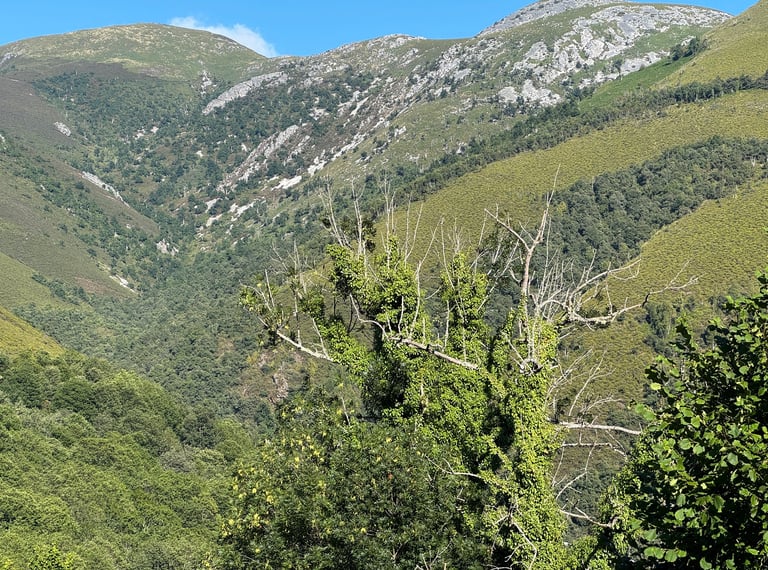
The climate was harsh and demanding, with cold, long winters and hot summers that shaped the daily life of its inhabitants. Its natural surroundings, close to the Muniellos Reserve, offered landscapes of meadows, forests, and rivers, where nature remained almost untouched, providing limited but essential resources for rural life and a constant connection to the wild environment surrounding the village.
Agriculture and Livestock
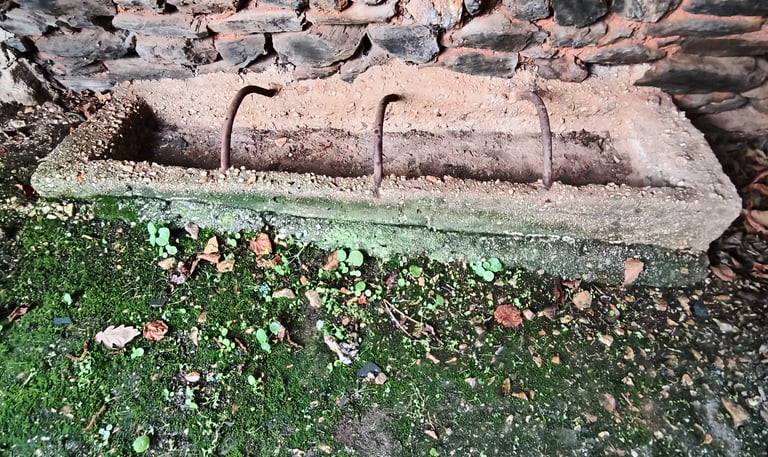
Agriculture in Centenales had lost much of its strength compared to 1958, leaving only a few small gardens for each household’s own consumption. Livestock farming had also diminished considerably, with only one resident keeping animals that grazed in the village meadows. Even so, among the few inhabitants there was a sense of cooperation: sometimes they would exchange produce from their gardens and animals, maintaining a small network of mutual support within the community.


Social Life
Social life maintained a certain rhythm despite the small population. Every evening, from around 7 o’clock, the residents would gather to play cards (specifically “tute”) and share moments of fun, while in the mornings they usually met to chat, exchange news, or help each other with small tasks, preserving the closeness and camaraderie typical of a small village. Additionally, on Thursdays the villagers would meet to welcome the baker passing through, taking the opportunity to chat and do their shopping, and every other Tuesday, they gathered again for the fishmonger. These regular meetings were small highlights in the village’s routine, becoming eagerly anticipated moments of socialisation and community life.
Centenales in 2026
Today, the village faces isolation and a steady loss of traditions.


Population and Biodiversity
In the village, life unfolds calmly, with no permanent residents living there throughout the year. Although it fills with visitors in the summer—people who return to care for their country houses or enjoy the tranquillity of the surroundings—it remains a place of passage, where the rhythm of life is slower and seasonal. Despite its small population, the biodiversity of the area is remarkable. The environment of southwestern Asturias, known for its rich fauna and flora, is home to a wide variety of animals, including species such as the brown bear, the wolf, the roe deer, as well as butterflies and bees, alongside native plant life that blends with the mountain ecosystems. Within the village, 12 meadows are still mown each year, a practice that helps preserve the traditional landscape and supports the conservation of native plant and animal species. These meadows are a remnant of an agricultural way of life that continues to contribute to the ecological balance of the region.

Infrastructure and Services
Centenales, in addition to its infrastructure difficulties, faces challenges regarding basic services. Electricity no longer comes from the former local power plant, which is no longer in operation, and the supply now depends on external sources, which can occasionally lead to instability. As for water, the supply comes from a nearby stream that provides water for much of the year, but it is not always sufficient, especially in summer when shortages become more noticeable due to the reduced flow. This makes water management a constant challenge for the few remaining residents, who must deal with the uncertainty surrounding this essential resource. Furthermore, the 400-metre paved track connecting the village to the AS-348 remains in good condition, although vegetation is beginning to encroach upon it, while the other two access paths are practically impassable, making it even more difficult to reach the village. The nearest medical centre is in San Antolín de Ibias, about 20 minutes or 12 km away, and the same applies to the nearest school, highlighting the distance from even the most basic services. The village has no bars or communal meeting spaces, and the nearest hotel is in Cecos, which limits accommodation and leisure options.
Culture and Traditions
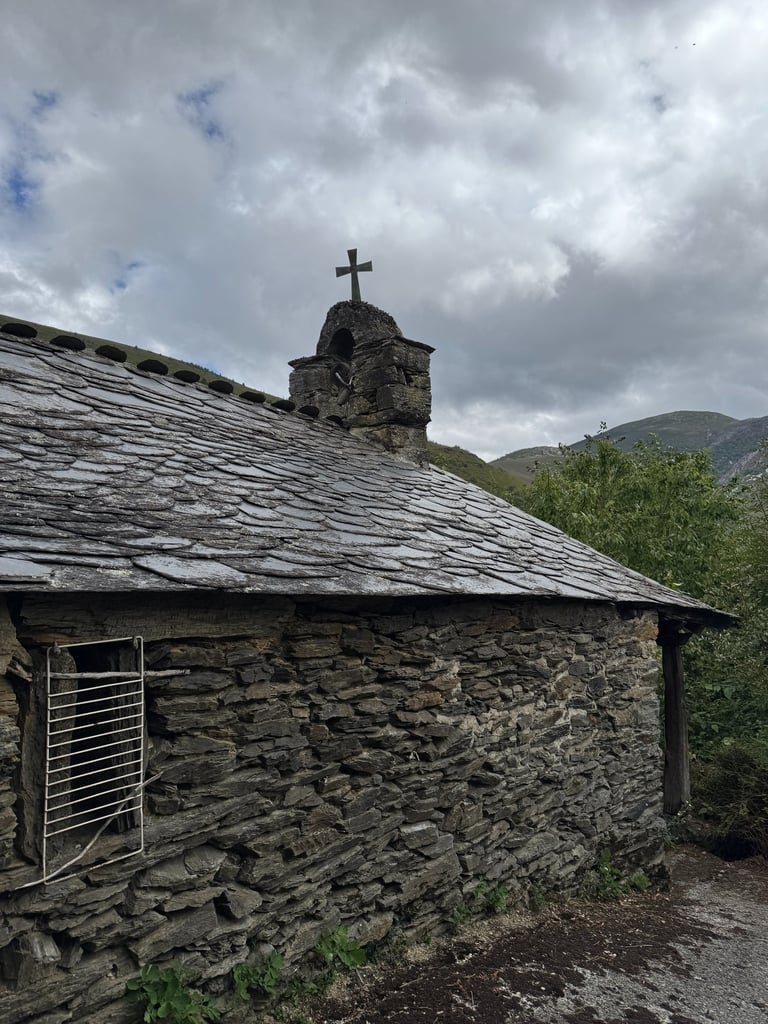
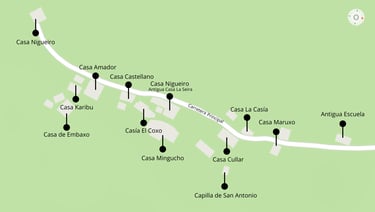
The culture and traditions, although deep and firmly rooted in local history, are currently in decline. The village school, once the centre of learning and gathering for children, is now in an advanced state of deterioration, reflecting the depopulation and abandonment the locality has experienced in recent years. However, the Chapel of San Antonio, although it also shows signs of ageing, still stands as a symbol of the devotion and religious traditions that once shaped the lives of the inhabitants. The village festivals, which once filled the streets with joy, music, and dancing, have not been celebrated for more than a decade, and the local community has lost much of the customs that once brought neighbours together. Oral traditions, songs, dances, and celebrations that were once the soul of the village are now close to disappearing. Although some of the older residents still remember those moments with nostalgia, the lack of young people makes it difficult for these traditions to remain alive. The village, increasingly uninhabited, faces an uncertain future in which its local culture could be lost completely if steps are not taken to preserve and revitalise its heritage.


Connectivity and Internet Access
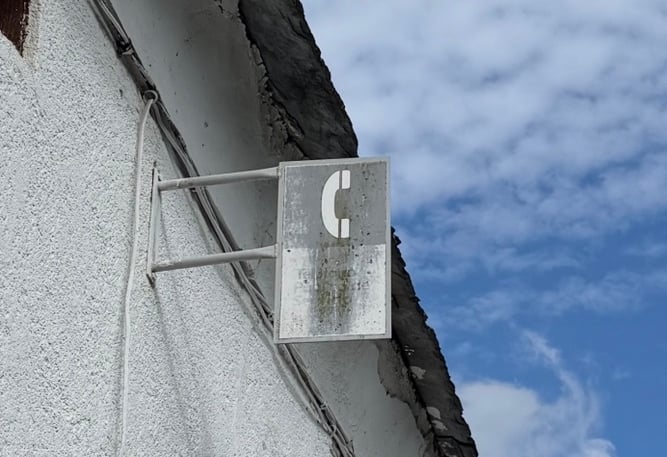
Connectivity in Centenales is another major challenge for its residents, who rely on technology to stay in touch with the outside world and access basic services. Most households still have a landline, as Internet access is intermittent and varies depending on the phone provider. In some areas, the connection is almost non-existent, seriously limiting communication and access to information. However, there is the option to install a satellite antenna or a router that converts mobile data into Wi-Fi, which could improve the situation, although not all residents have access to this alternative. As for television, its service is also poor; the signal is weak and, especially when it rains, it is almost impossible to watch any channel, as coverage is easily lost. This further emphasises the village’s isolation, where technological connections, essential in modern life, are limited and unreliable, making daily life difficult for its few inhabitants.
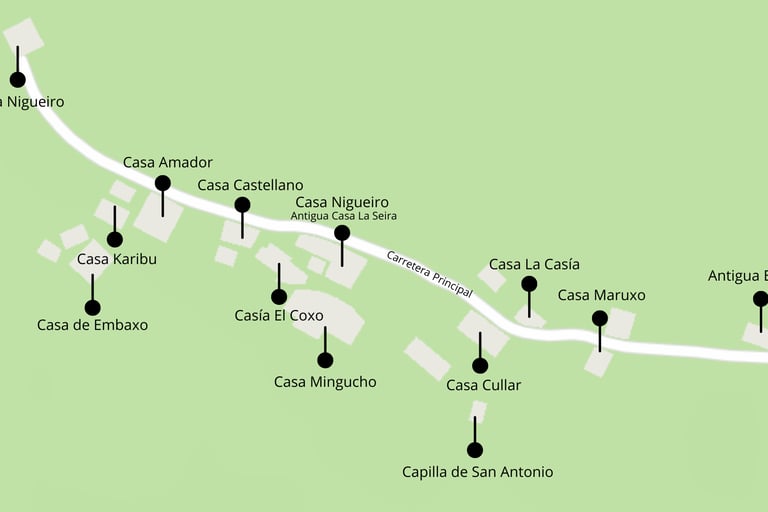
Local Layout
Local Layout
Land Marked by Fire
How fire and flames have affected the village in recent times.
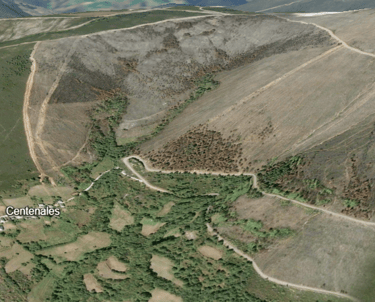
Fire on 07/06/2006
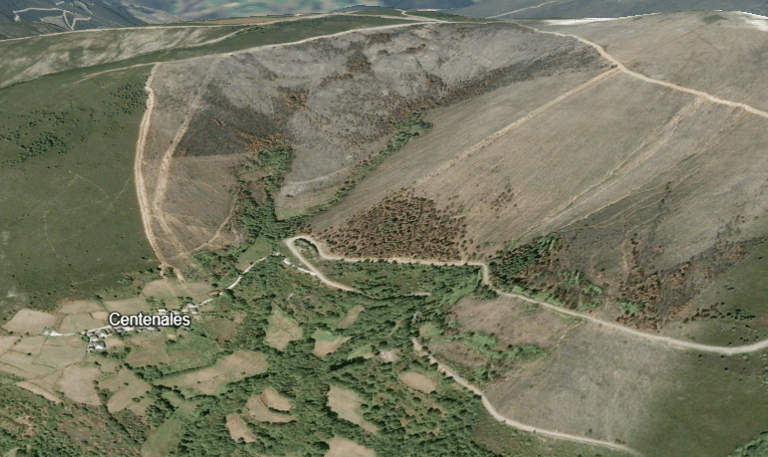
The 2006 fire that threatened the Muniellos Reserve was marked by the simultaneous ignition of four separate spots, one of them very close to Centenales. It quickly spread through scrubland and pine forest, reaching just a few metres from the upper part of the village before firefighting teams managed to contain it and push it several hundred metres away from the forest’s protection perimeter. Subsequent investigations indicated that the fire was clearly deliberate, with signs suggesting it may have been set as a form of protest or revenge, as several active ignition points were detected almost simultaneously in different areas of the forest.
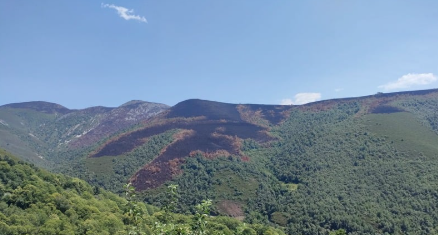
Fire on 18/06/2022
The fire on 18 June 2022 in Bustelo and Alguerdo, located on the opposite hillside facing Centenales, quickly spread up the mountain, reaching the summit before beginning to descend the aforementioned slope. The fire was eventually extinguished near the road leading to Puerto del Connio, coming to within just 900 metres of the village. A combination of wind, dryness, and steep terrain caused the flames to advance rapidly, requiring the intervention of firefighters, forest brigades, and helicopters to control the blaze and prevent it from reaching inhabited areas. It became one of the most threatening fires of the season in southwestern Asturias.
Fire on 10/08/2022
In August 2022, a forest fire broke out in the Pradías area (municipality of Ibias, Asturias), keeping the personnel of the Asturias Emergency Service (SEPA) fully engaged, with firefighters and helicopters working for several days to extinguish the blaze while it was still not completely under control. Due to Pradías’ proximity to settlements such as Centenales, monitoring efforts were intensified, and additional resources were deployed because of the risk that the fire might approach the slopes near these small villages in southwestern Asturias. Ultimately, the flames were halted along the road leading to the Dolmen da Hucha, coming to within just 1 km of Centenales.


Fire on 26/08/2025
During the summer of 2025, a large fire broke out in San Antolín de Ibias. The blaze quickly spread through pine forest and scrubland, generating dense smoke and causing alarm among the local residents. Authorities ordered the mandatory evacuation of Villamayor and Villarcebollín due to the direct risk from the flames and smoke. Other nearby settlements, such as Dou, Andeo, Piñeira, and Centenales, received recommendations for voluntary and precautionary evacuation and were later evacuated. Firefighting teams, including firefighters, forest brigades, and the Military Emergency Unit, worked intensively to contain the fire. Ultimately, the flames were brought under control after several days, although the impact on vegetation and the vulnerability of the villages to such fires remained visible. Although this was the fire farthest from Centenales among these four incidents (about 2.5 km away), the moments of distress, when residents were forced to leave their homes, are still remembered.
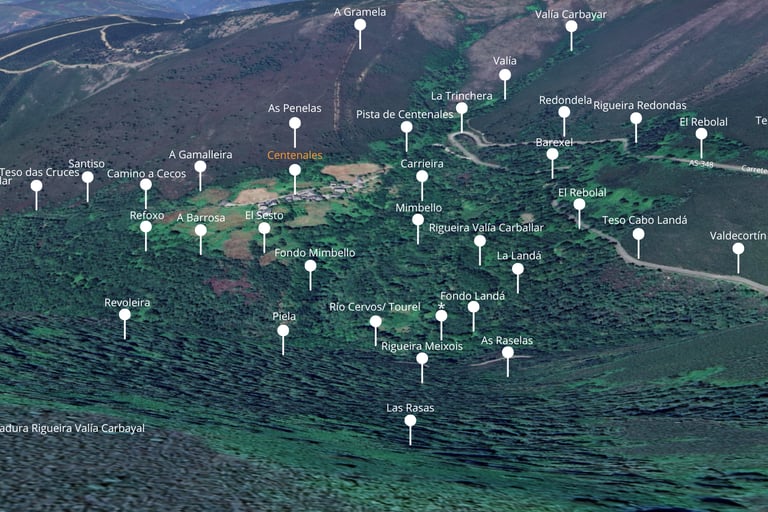
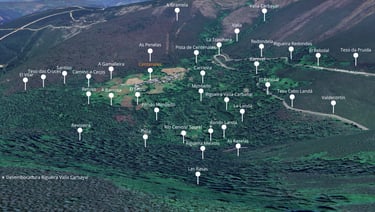
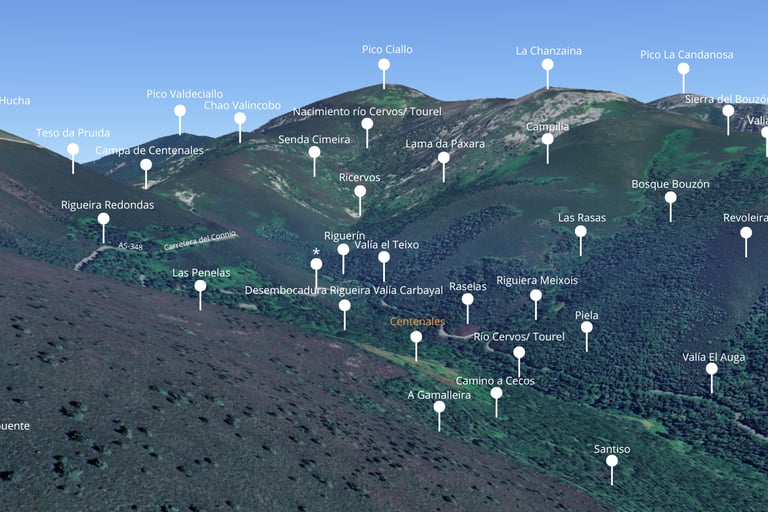
Nearby Toponymy
Nearby Toponymy
Life and Businesses in Centenales
Main activities and ways of life that shaped the identity of our village.
Life
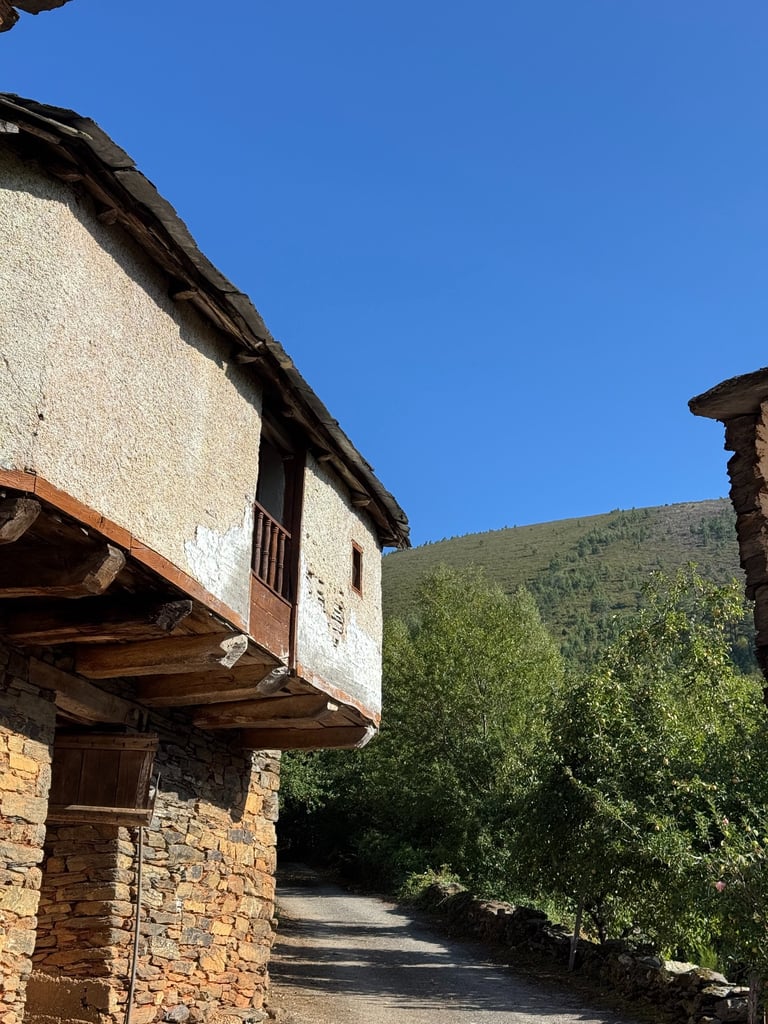
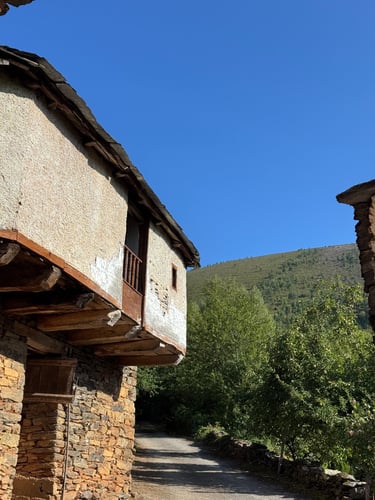
Although no residents live in Centenales year-round, the village comes alive in summer with visitors and family members who return temporarily, filling the houses and communal spaces with activity and memories of days gone by. This seasonal flow keeps the village’s memory alive and maintains its connection with the surrounding region.
Honey
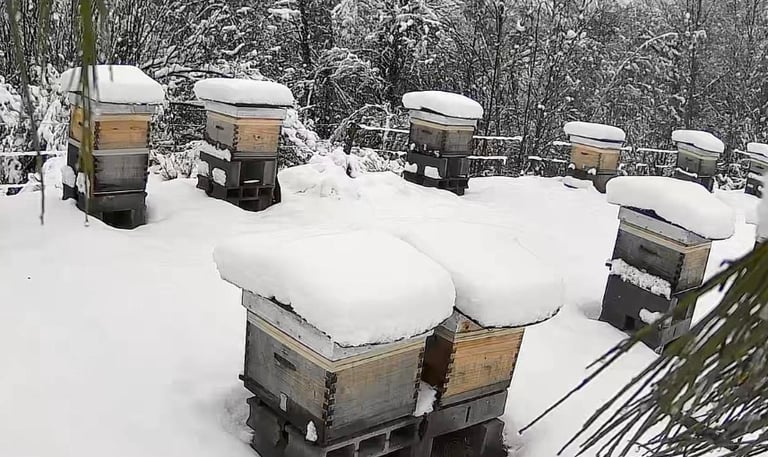
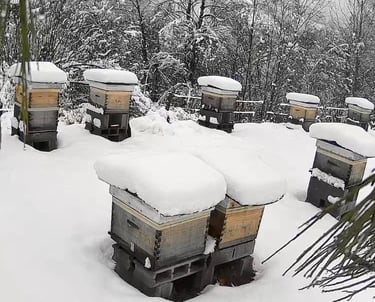
Centenales once had a notable honey production, supported by residents who utilised the local beehives and the rich floral diversity of the surrounding countryside. Although this beekeeping tradition had waned over the years, memories of the high quality of the village’s honey remain. An example is the recent launch of the local honey brand La Viesca in 2024, producing a quality product that reflects the beekeeping tradition of Centenales.
Agriculture
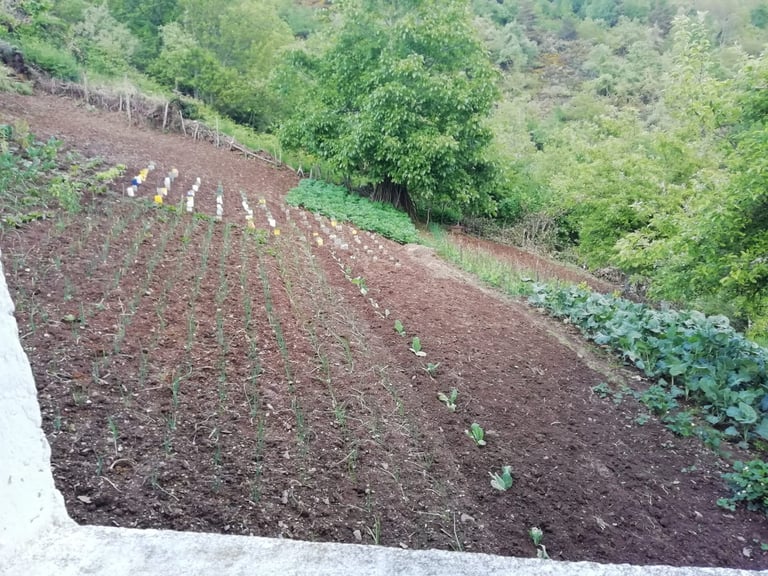
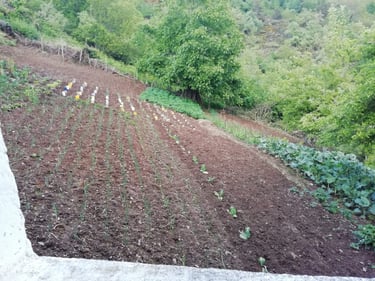
A few years ago, agriculture was an important part of life in Centenales, with small gardens and subsistence crops providing families with fresh produce. Today, agriculture is still present, though on a personal scale, with small gardens and plots supplying those who spend their summers in the village. It no longer plays a significant economic role, but it preserves tradition and the connection with the land.
Livestock Farming
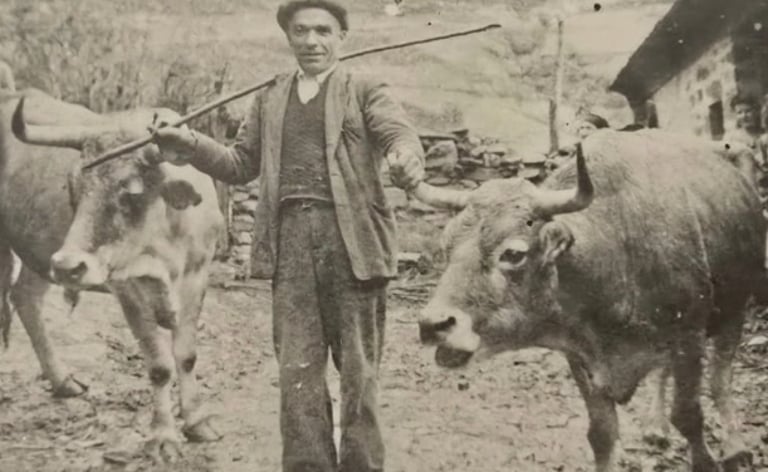
Livestock farming was also an important activity in Centenales, with herds of cows and goats grazing in the surrounding areas and supplying families, alongside pigs, chickens, and hens. Today, this practice has almost completely disappeared, leaving only traces of barns and pastures that were once full of animals. The only thing that remains intact are the few chickens that still provide fresh food.
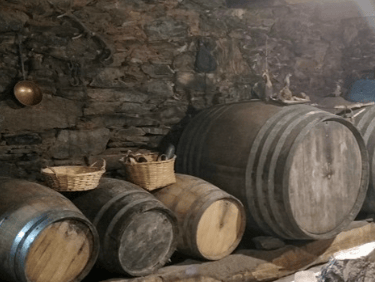
Wine
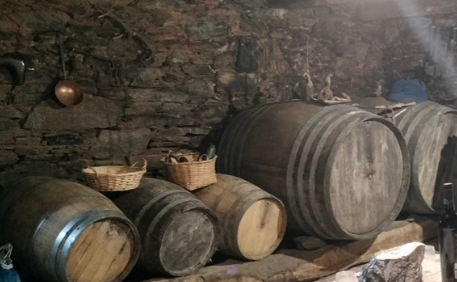
Years ago, Centenales had a few small vineyards that produced local wine, sometimes complemented with grapes brought from nearby areas such as El Bierzo. Today, the wineries still remain, but winemaking has almost disappeared, surviving only as a reminder of the village’s tradition and rural way of life.
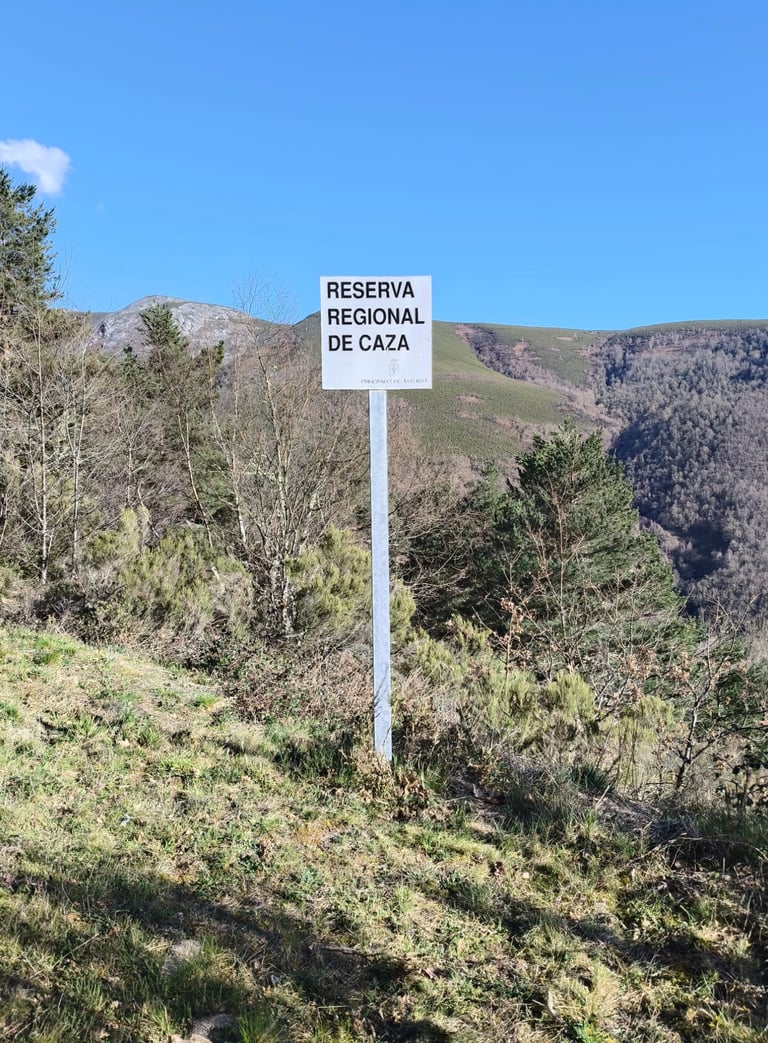
Hunting was part of traditional life in Centenales, practiced both by locals and by visitors who made use of the nearby forests and mountains. The main game animals in the area were roe deer, wild boar, and partridges. Although today it is more occasional and recreational, it remains an activity that connects the village with its natural surroundings and keeps one of its old rural traditions alive.
Hunting
Contact
Write to us to share your ideas and stories.
SUGGESTIONS
centenales.ibias@gmail.com
© 2026. All Rights Reserved