



Municipality of Ibias
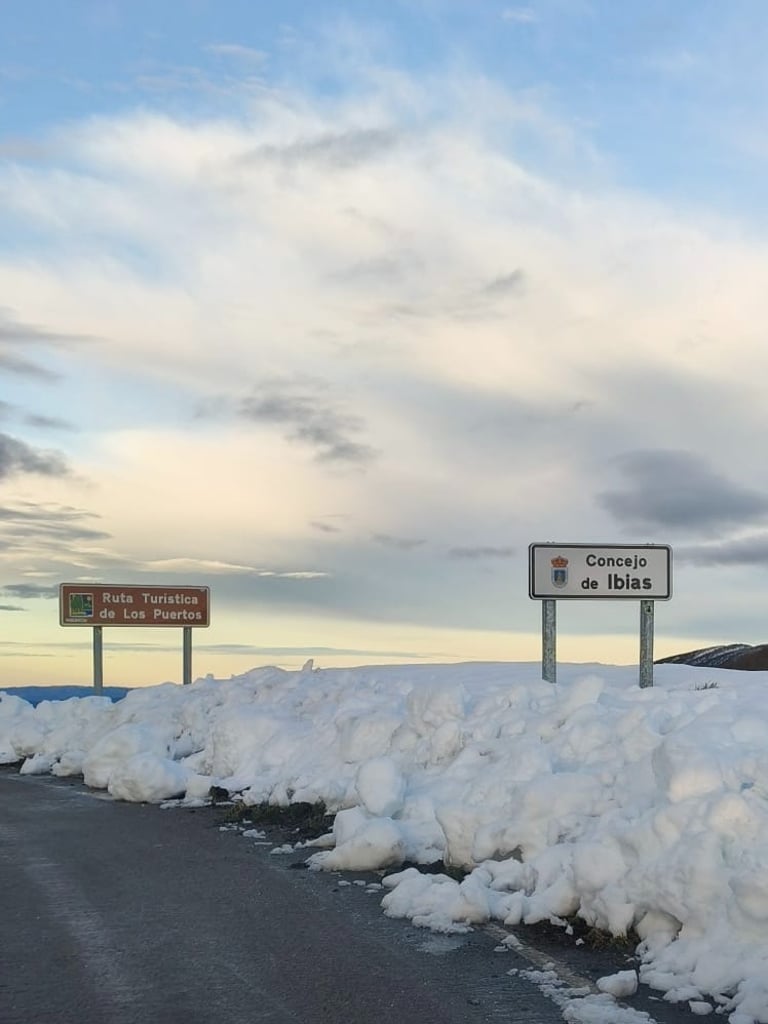
The municipality of Ibias is located in the southwest of Asturias, nestled in a mountainous valley bordering Lugo and León, with a small population and a landscape of strong contrasts. It is notable for its rugged natural scenery, part of the Fuentes del Narcea, Degaña, and Ibias Natural Park, and for its rural villages featuring traditional Asturian architecture.
78
11
Parishes
Villages
The Sun of Asturias
The municipality of Ibias is known as the Sun of Asturias because it enjoys more hours of sunshine and a drier climate than much of the region, thanks to its location in southwestern Asturias and the natural protection of the surrounding mountains. This setting reduces the influence of the Atlantic climate, favouring clearer days and slightly milder temperatures, which has historically shaped agriculture, the positioning of villages on sunny slopes, and the way of life of its inhabitants, breaking with the traditional image of a rainy and grey Asturias.

Demographics
Discover why Ibias, with its tiny villages and sparse population, is one of the emptiest and most fascinating municipalities in Asturias.
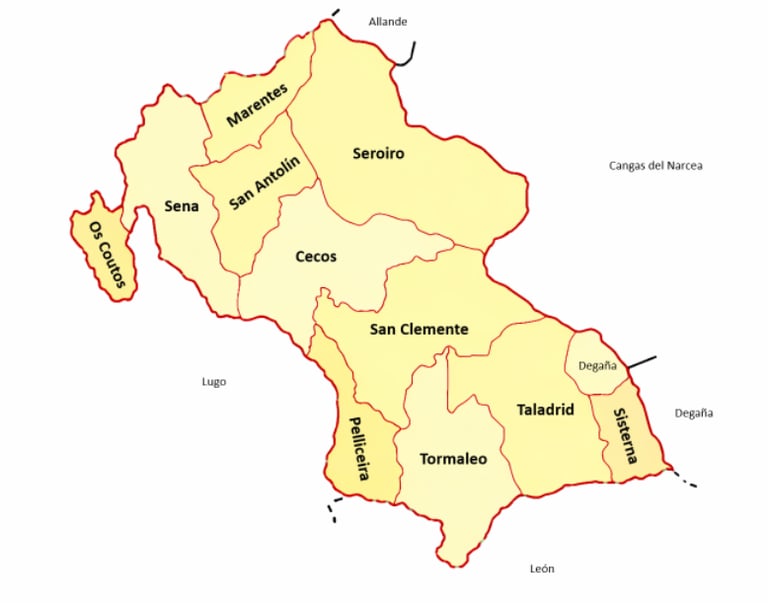
As of 2026, the municipality of Ibias (in the southwest of the Principality of Asturias, Spain) remains one of the most sparsely populated and rural areas of the region, with just over 1,090–1,100 inhabitants. It shows a clear trend of demographic decline over recent decades, with an extremely low population density of around 3.3 inhabitants per km² due to a strongly ageing population and youth migration to urban centres and other regions. The capital is San Antolín de Ibias, and among the settlements with the largest populations are Villares de Abajo, Luiña, and Tormaleo, while most of the small villages have only a few dozen residents or are already uninhabited. The municipal territory is extensive (around 333 km²) and is administratively divided into 11 parishes, which together encompass a total of 78 population centres, including villages, hamlets, and scattered farmsteads throughout the mountains.
Guía de interés
Breve descripción acerca de los principales aspectos en los que destaca el concejo de Ibias.
Tradiciones
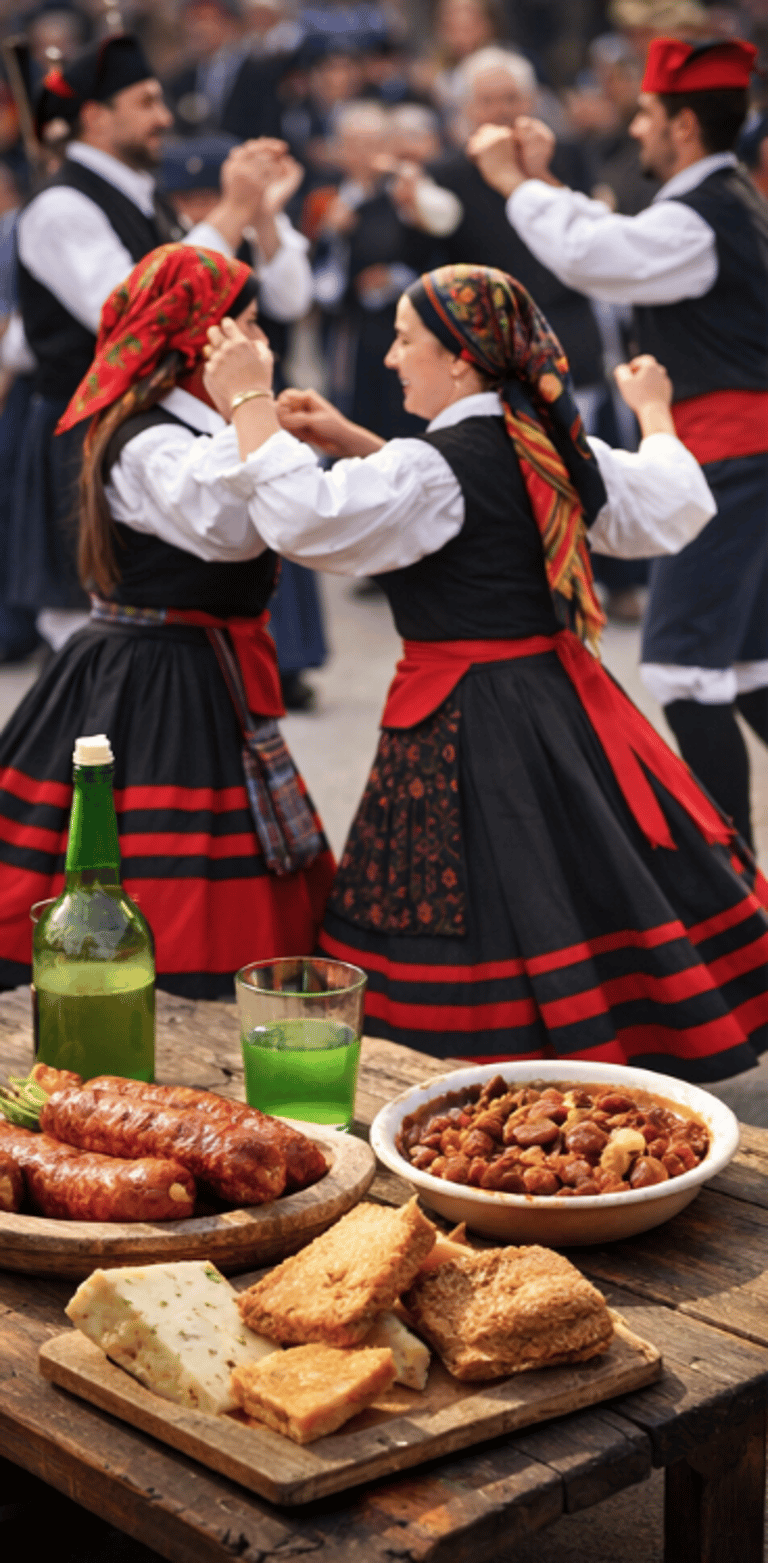
Cultura y festividades locales que reflejan la vida y costumbres de Ibias.
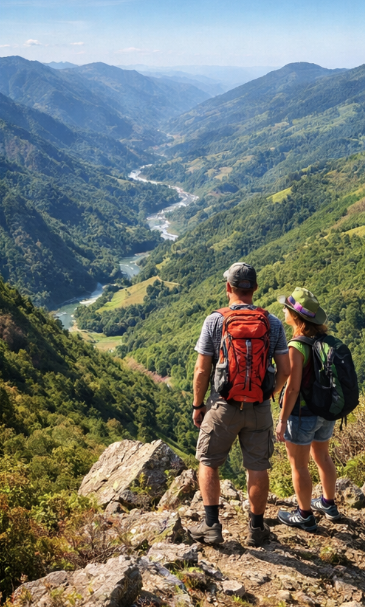
Rutas y paisajes
Espacios naturales y recorridos de senderismo que muestran la geografía y belleza del concejo.
Patrimonio histórico y arquitectura
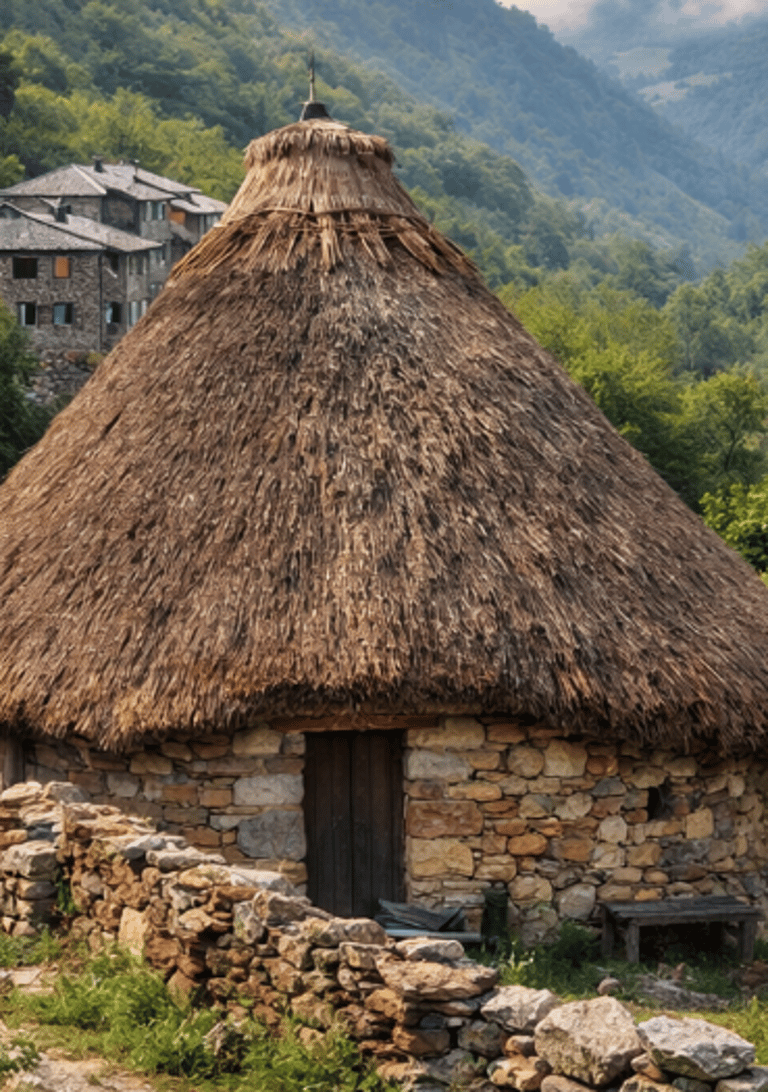
Construcciones tradicionales como los teitos que representan la historia y arquitectura rural de Ibias.
COMING SOON
Contact
Write to us to share your ideas and stories.
SUGGESTIONS
centenales.ibias@gmail.com
© 2026. All Rights Reserved