



The origin of "Centenales"
Behind every village name lies a story that connects the land, its people, and its traditions. Read on and discover how a simple cereal came to shape the identity of an entire place.
HISTORYFEATURED
1 min read
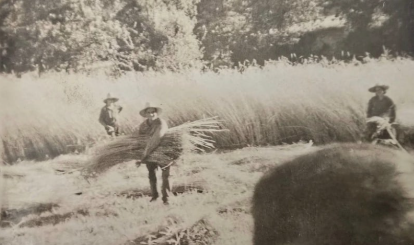
The name "Centenales" has a clearly toponymic and rural origin, closely linked to the landscape and traditional agriculture of the area. It derives from the term centenal or rye, a cereal historically widely cultivated in the mountainous areas of western Asturias due to its great resistance to cold, humidity, and poor soils. These characteristics made it one of the most reliable crops for rural communities living in rugged terrain and harsh climates.
The toponym therefore likely refers to lands dedicated to growing rye or to a place where this cereal held particular importance. In many Asturian villages, it was common for names to arise precisely from the predominant crops, the characteristics of the land, or elements of the landscape. Thus, "Centenales" could be interpreted as “place of rye” or “rye lands,” alluding to fields where this cereal was abundant or formed an essential part of local agricultural activity.
For centuries, rye was a fundamental food in the rural diet, especially for making bread, which was baked in the traditional ovens of homes or the village. Beyond its nutritional value, rye cultivation was part of the annual rhythm of agricultural work, marking tasks such as sowing, harvesting, and grain storage. Therefore, the village’s name not only describes the agricultural landscape but also reflects the close relationship between the natural environment and the daily life of its inhabitants throughout history.
Contact
Write to us to share your ideas and stories.
SUGGESTIONS
centenales.ibias@gmail.com
© 2026. All Rights Reserved